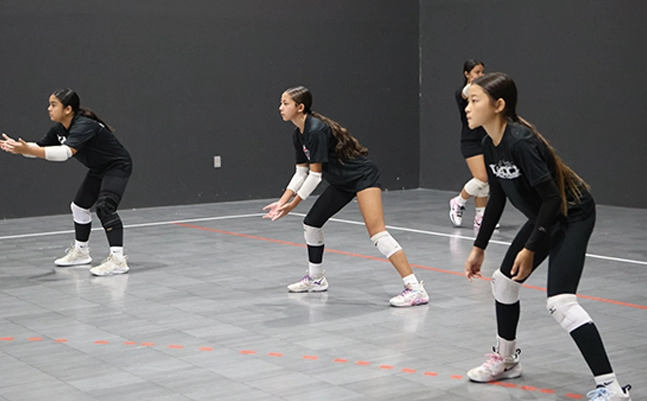
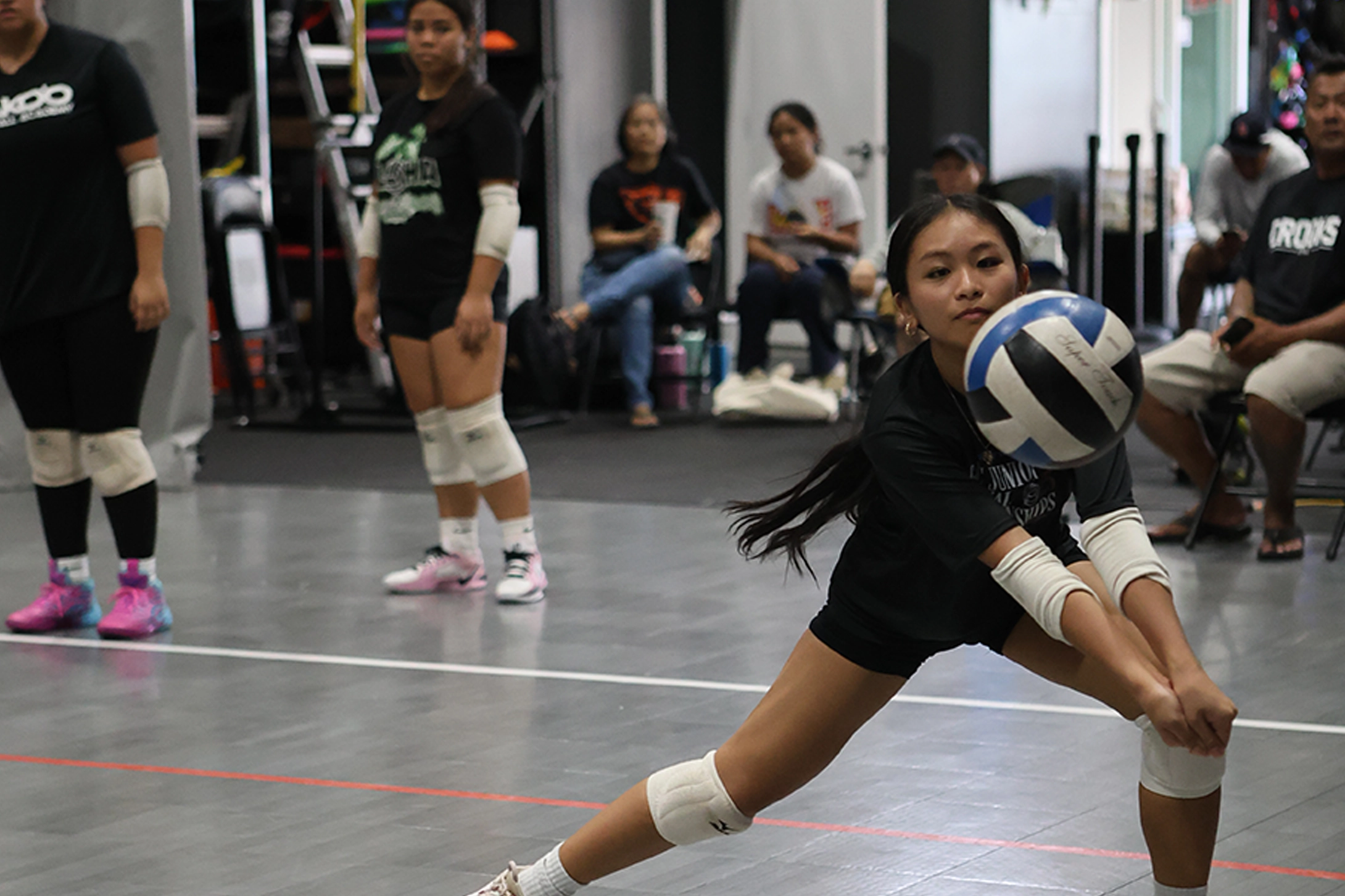
Passing is the most important skill in volleyball.
Without strong passing, everything else in the game begins to fall apart.
1. Passing Controls the Entire Offense
Volleyball is built on sequences. Before a team can run a fast offense, set their middle hitter, or unleash a powerful attack, they must first control the ball.
- Great passing creates offensive options: A quality pass allows setters to run a balanced, unpredictable offense.
- Poor passing limits the attack: Setters are forced off the net, hitters become easier to defend, and offensive choices shrink.
- No pass, no offense: Even the strongest hitter cannot score consistently without quality first contact.
2. Passing Impacts Every Rally
Unlike hitting or blocking, passing influences nearly every point played.
Players must pass:
- Serve receive
- Free balls
- Down balls
- Defensive transitions
- Emergency contacts
Because passing happens so frequently, it directly affects the rhythm, consistency, and confidence of an entire team.
3. Passing Requires More Than Technique
Passing is more than just platform angles and footwork. Elite passers combine physical skill with mental processing.
Great passers develop:
- Ball tracking skills
- Court awareness
- Reading ability
- Communication
- Mental toughness
- Confidence under pressure
The best passers constantly analyze server tendencies, ball speed, spin, trajectory, and court positioning — often within fractions of a second.
4. Coaches Notice Passing First
Many young athletes focus heavily on hitting because it feels exciting. However, coaches frequently place passing near the top of their evaluation list.
- Passing translates to winning.
- Reliable passers create value: They make setters better, hitters more effective, and entire systems smoother.
- Passing earns opportunities: Strong passers can secure playing time, roster spots, and leadership roles.
5. Passing Creates Consistency
Volleyball is a sport of momentum swings and inevitable mistakes. The teams that succeed over long matches and long seasons are usually the teams that consistently control the ball.
- Strong passing stabilizes teams under pressure.
- Quality passing improves offensive efficiency.
- Reliable first contact restores order during chaotic moments.
That level of consistency is invaluable.
6. How Players Can Improve Their Passing
Becoming a strong passer requires focused repetition and deliberate practice.
Ways to improve passing:
- Practice platform mechanics daily
- Develop efficient footwork patterns
- Work on reading servers
- Increase ball contacts outside of team practice
- Build communication habits
- Learn to recover quickly from mistakes
Passing excellence is built through thousands of quality repetitions and disciplined attention to detail.
Final Thoughts
Hitting creates excitement. Blocking generates momentum. Serving starts the rally.
But passing makes volleyball function.
It supports offense, stabilizes defense, and determines how effectively a team can compete.
Players who commit themselves to mastering passing develop one of the most valuable tools in the sport.
Because in volleyball, the path to winning almost always begins with the first contact.